The Role of 1031 Exchanges in Your Investment Strategy
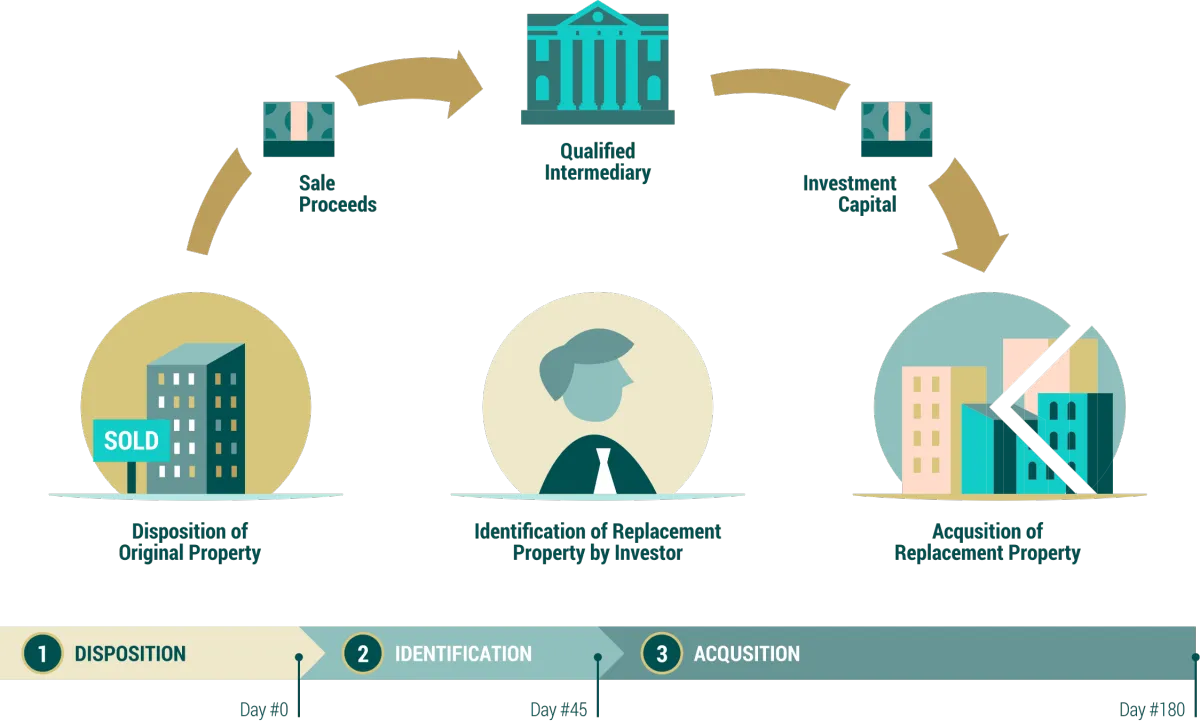
A 1031 exchange, named after Section 1031 of the IRS Code, allows investors to defer capital gains taxes by rolling the proceeds of a property sale into another property of like-kind. Here's how to integrate this into your strategy:
Deferral of Capital Gains: The primary benefit is postponing the tax event, which can compound wealth over time as you reinvest without immediate tax drag.
Portfolio Diversification: Use exchanges to shift from one type of real estate to another or to different geographical locations, enhancing your portfolio's resilience and potential for growth.
Consolidation or Expansion: Whether you're looking to consolidate holdings into fewer, larger properties or expand your real estate footprint, 1031 exchanges can facilitate these moves without immediate tax consequences.
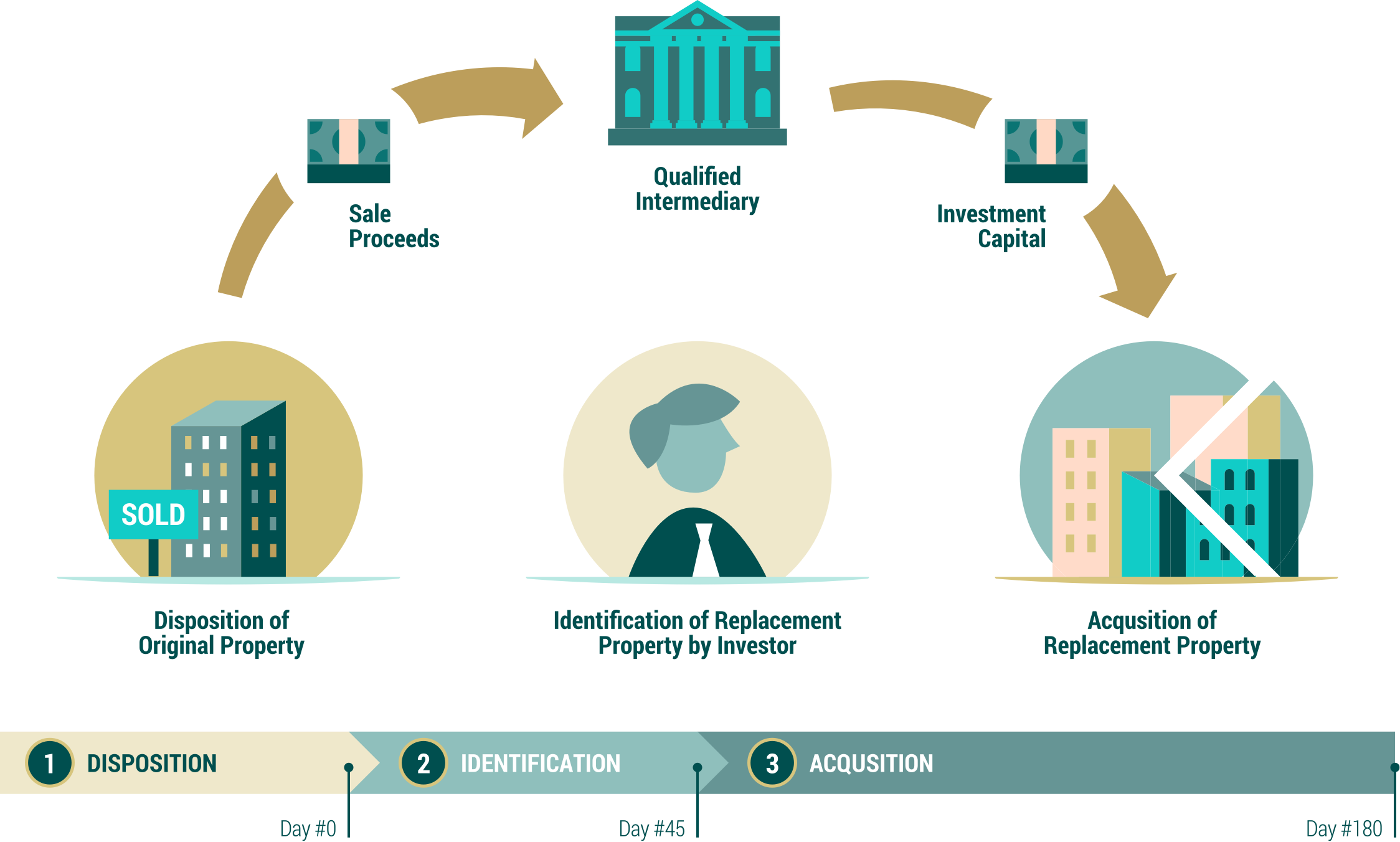
Timing and Rules: To successfully execute a 1031 exchange, you must identify a replacement property within 45 days of the sale and complete the purchase within 180 days. Missing these deadlines can nullify the tax benefits.
Reverse and Improvement Exchanges: Advanced strategies like reverse exchanges can be used when you find a property before selling your current one, or you might use an improvement exchange to enhance the new property with deferred proceeds.
However, while 1031 exchanges are powerful, they come with complexities. Always work with a qualified intermediary and consult with a tax advisor to ensure compliance and maximize benefits.
These strategies, when applied with foresight and expert guidance, can significantly enhance your real estate investment outcomes.
Disclaimer: This information is of general nature and should not be assumed to provide tax, legal or accounting advice. This website has been prepared for informational purposes only, and is not intended to provide, and should not be relied on for, tax, legal or accounting advice. You should consult your own tax, legal and accounting advisors before engaging in any transaction. I will be happy to discuss your situation further, but until that time, it is assumed no client/CPA relationship exists. Information within this blog has not been confirmed for accuracy and in many instances has been reposted from other sources.